Guides · Topics
Exercise and calories burned: what each workout really does
How much does a walk, a run or a weights session really burn, and does it matter which you choose? These guides compare the options with real numbers, explain what muscle does for your daily burn, and keep the focus on what you can sustain.
- does muscle turn into fat when you stop liftingDoes muscle turn into fat when you stop lifting?No. Muscle and fat are separate tissues that cannot convert into each other. Muscle shrinks from disuse, and fat can grow if you keep eating the same.
- is cardio or weights better for fat lossIs Cardio or Weights Better for Fat Loss?A 2025 meta-analysis of 36 trials found aerobic training edges out weights for fat loss, but the gap shrinks once workouts are matched for effort.
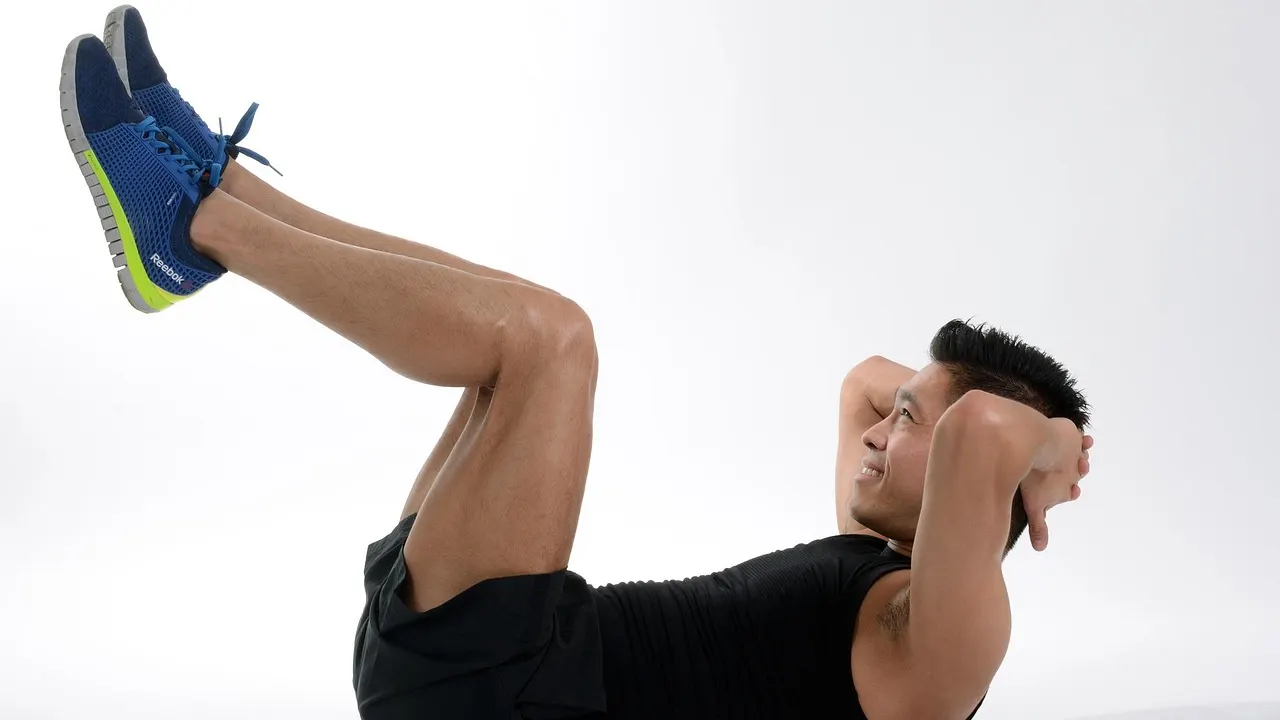
- do crunches burn belly fatDo crunches burn belly fat?A six-week trial had adults do ab exercises five days a week. They got stronger abs, but belly fat did not change. Why you cannot spot-reduce fat.
- does muscle weigh more than fatDoes muscle weigh more than fat?A pound is a pound. Muscle is denser, so a pound of it takes up less space than a pound of fat. Why the scale can hide progress.
- does thinking hard burn caloriesDoes thinking hard burn calories?Your brain uses about a fifth of your resting energy, but extra mental effort adds very little: a day of hard thinking is worth one or two small snacks.
- is 7000 steps a day enoughIs 7,000 steps a day enough?A 2025 review found 7,000 steps a day linked to a much lower risk of dying than 2,000 steps. What the study shows, and what it cannot prove.
- is fasted cardio better for fat lossIs fasted cardio better for fat loss? What the studies showCardio on an empty stomach burns a little more fat during the session, but fat loss over weeks looks the same when calories match. Here is the evidence.
- does sweating burn fatDoes sweating burn fat? What sweat really tells youSweat is your body cooling down, not a fat-loss meter. Here is what a sweaty workout actually changes, with sources and rough numbers.