Guides · Topics
Calories in food: honest numbers for everyday foods
How many calories are really in the foods you eat every day? These guides give the number up front, show how portion size and cooking change it, and explain why labels, apps and databases sometimes disagree. Every figure comes from USDA data or another source we checked.
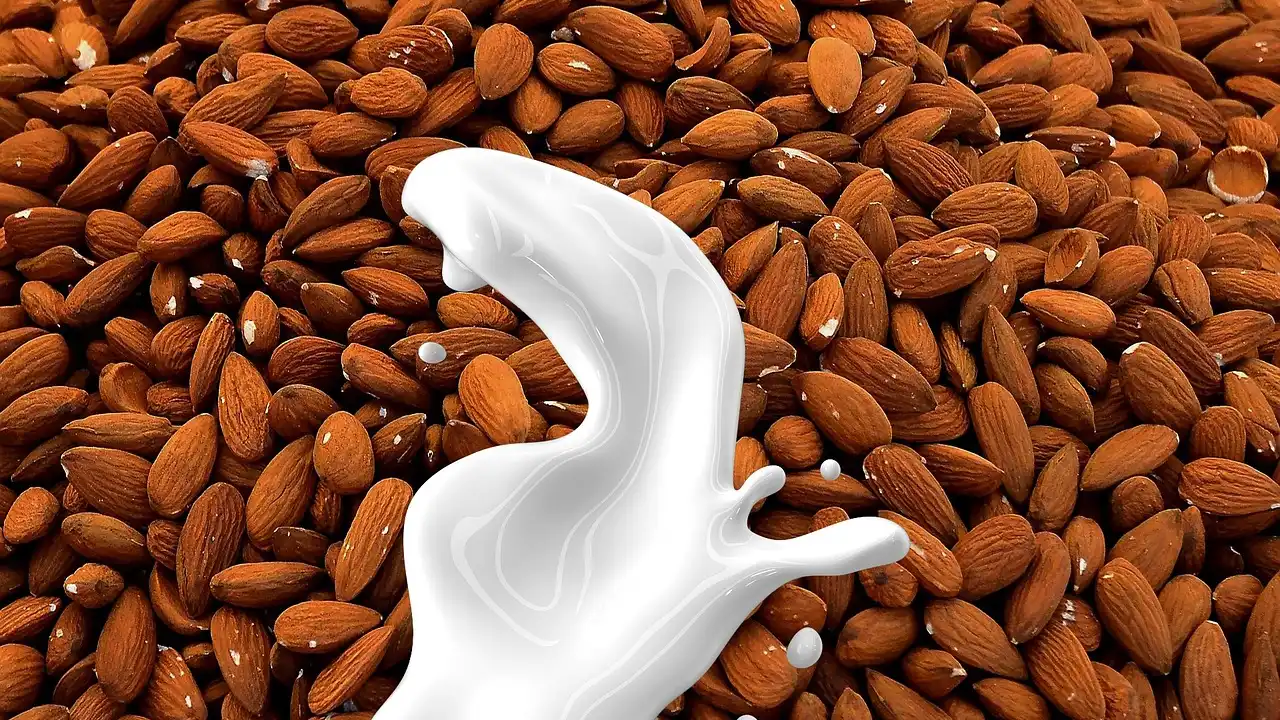
- almond milk vs 2 percent milkAlmond milk vs 2% milk: which has fewer calories?Unsweetened almond milk runs about ≈15 calories per 100g versus ≈50 for 2% milk, but 2% milk has about eight times the protein — the full trade-off here.
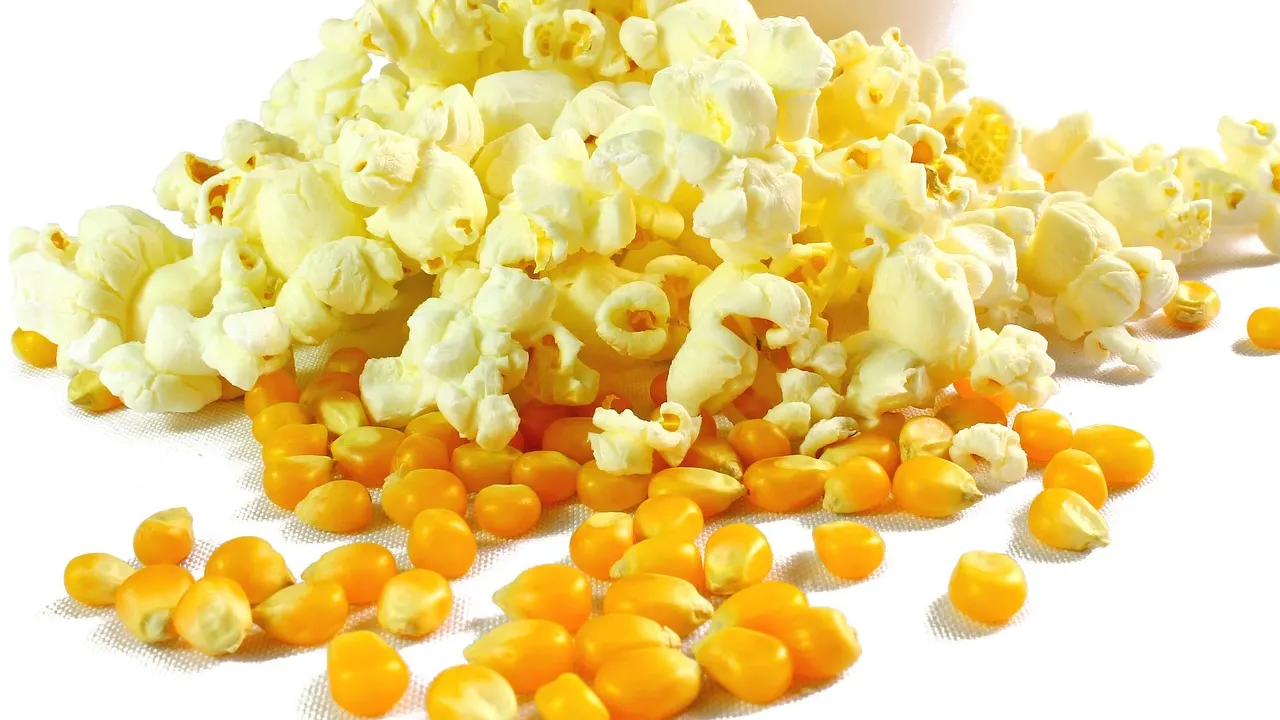
- popcorn vs chips which has fewer caloriesPopcorn vs chips: which has fewer calories?Air-popped popcorn runs about ≈387 calories per 100g, versus ≈532 for potato chips — but a same-size bowl makes the gap far bigger than it looks.
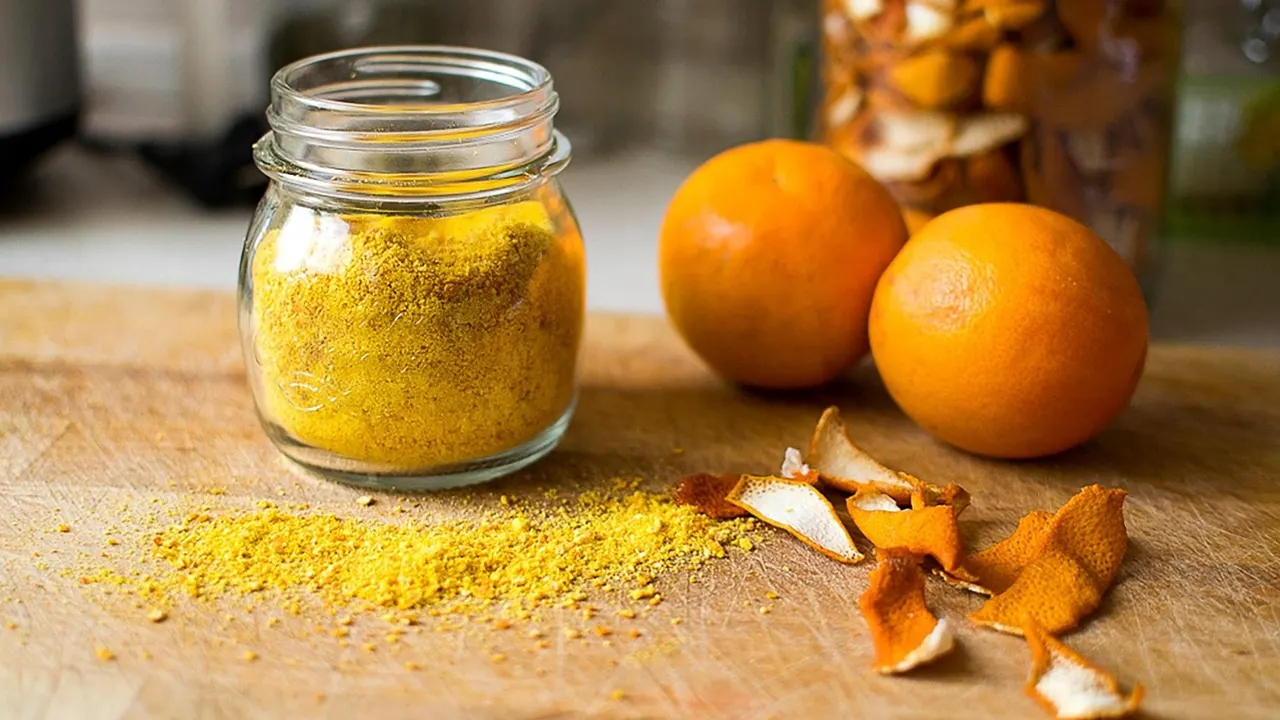
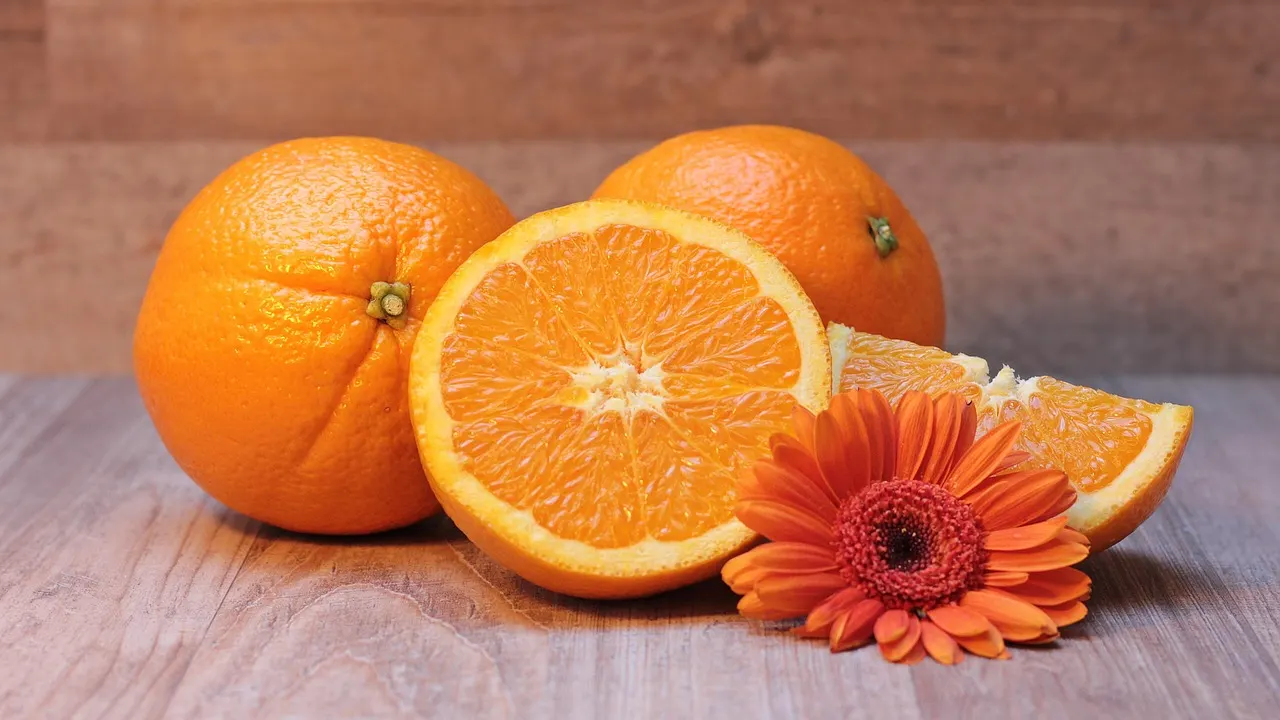
- calorie counting orange recipeHow to count calories in an orange recipeAn orange recipe has no single calorie count: USDA data puts flesh at about ≈47 cal per 100g, juice at ≈45, and peel at about ≈97 — nearly double.
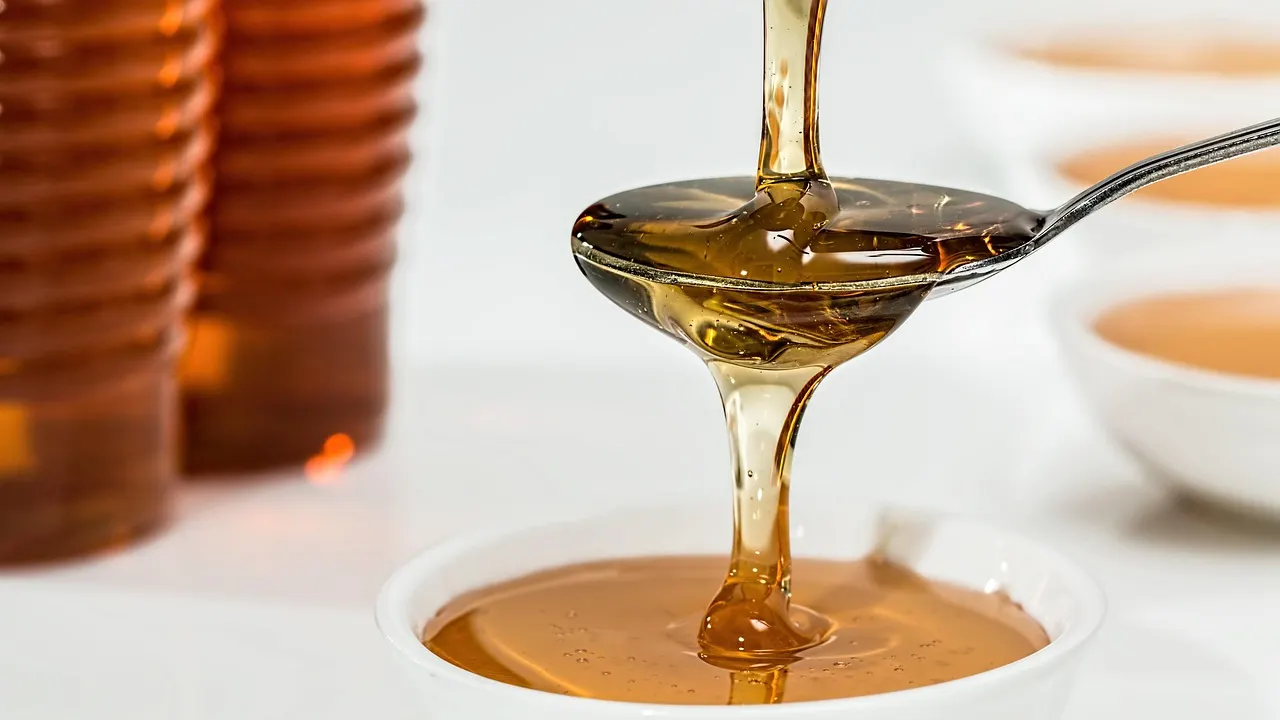
- how many calories are in honey vs sugar per teaspoonHow many calories are in honey vs sugar per teaspoon?A teaspoon of honey has about ≈21 calories, sugar about ≈16, and maple syrup about ≈17, per USDA data, because honey is a denser liquid.
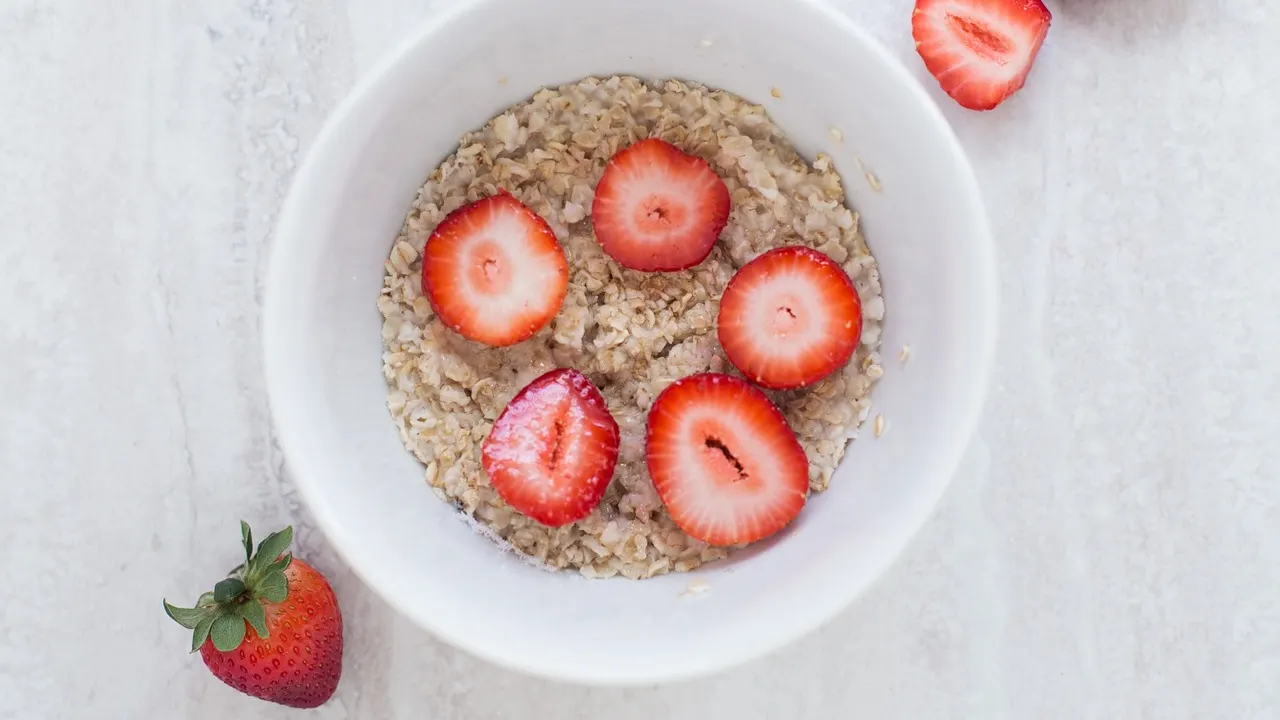
- how many calories are in oatmeal dry oats vs cookedHow many calories are in oatmeal, dry vs cooked?Dry oats are about ≈379 calories per 100g; cooked in water, that drops to about ≈71. The weight changes, not the energy, here is the math.
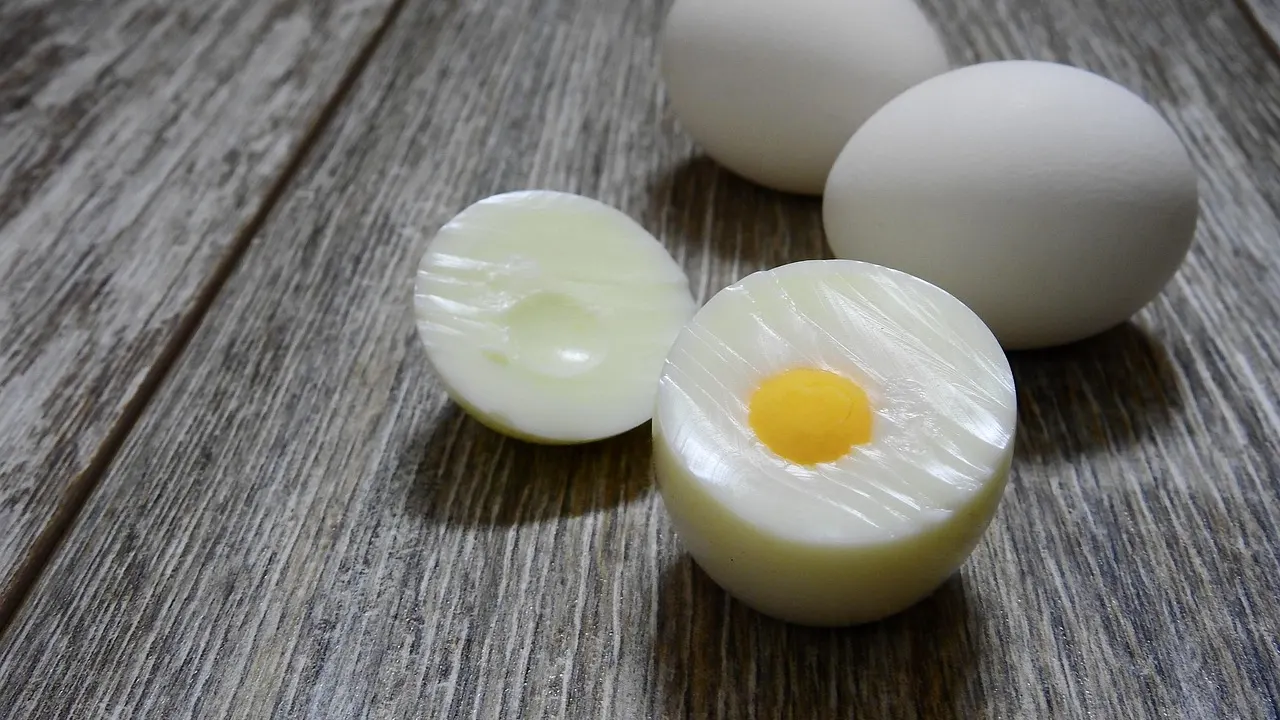
- how many calories are in a hard-boiled egg vs a fried eggHow many calories are in a boiled egg vs a fried egg?A large hard-boiled egg is about ≈78 calories and a fried one about ≈90. The egg barely changes; the fat in the pan is what moves the number.
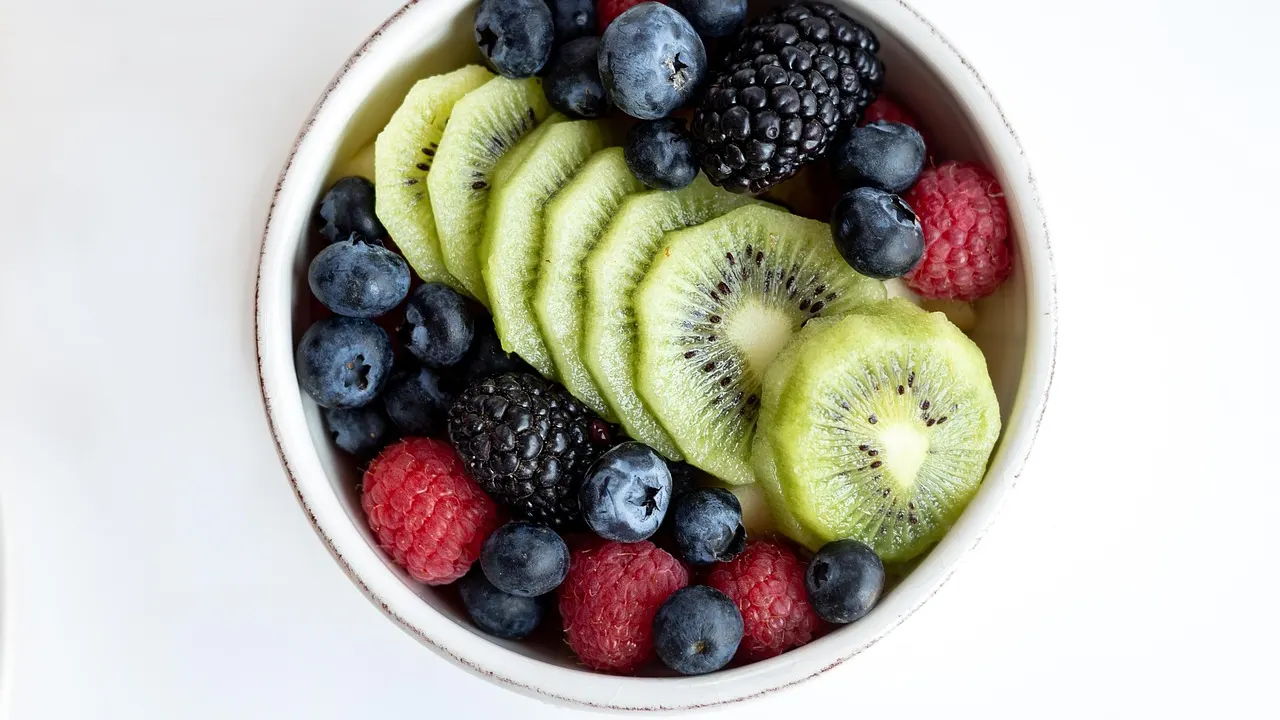
- how many calories are in an orangeHow many calories are in an orange?A medium orange is about 62 calories, USDA data shows, but size swings it from about 45 small to 86 large. A cup of orange juice runs about 112.
- how accurate are the calories listed on your foodHow accurate are the calories listed on your food?Food labels, apps, databases and menus all estimate calories differently. Studies show menu items can run over 100 calories off, self-reports miss by ≈47%.
- what are calories in foodWhat is a calorie, and why do foods vary so much?A calorie is a unit of energy. Protein and carbs give about 4 calories per gram, fat about 9, and alcohol about 7, which is why foods vary so much.
- how are calories in food calculatedHow are the calories in food actually calculated?Food labels use the Atwater rule: about 4 calories per gram for protein and carbs, 9 for fat. The total is then rounded, with up to 20% legal error.
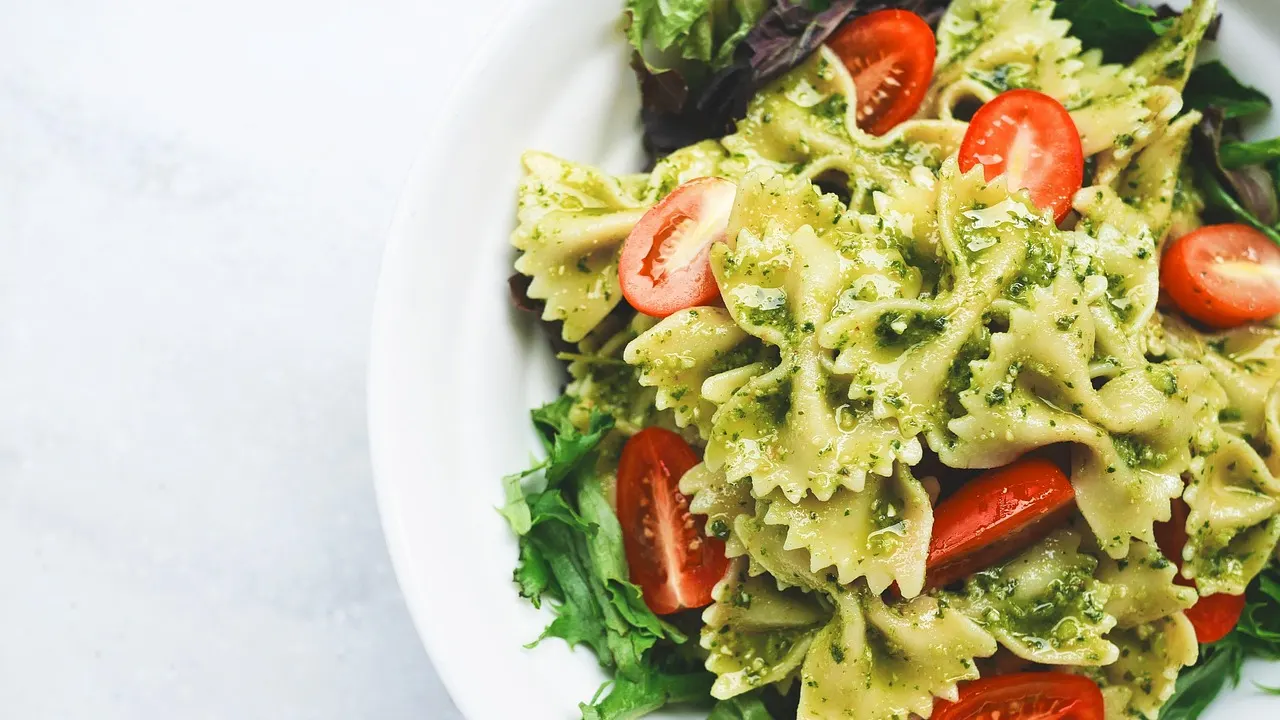
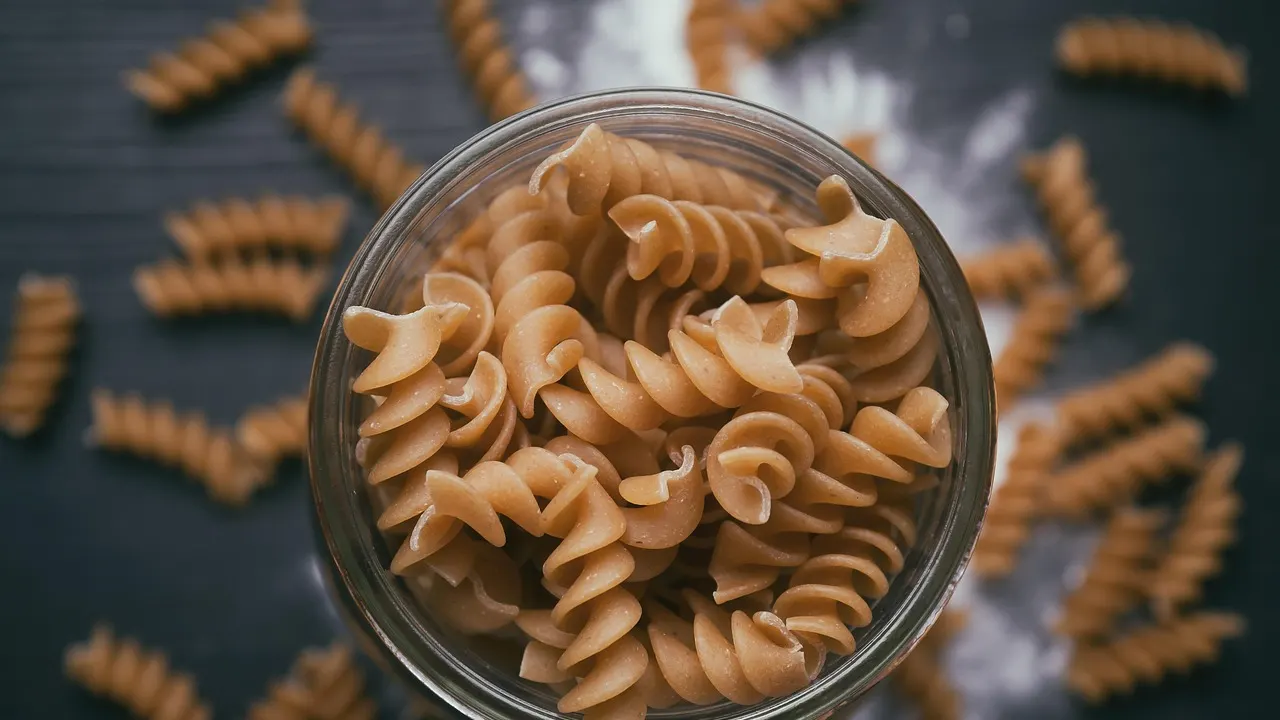
- how many calories are in a cup of cooked pasta vs dry pastaHow many calories are in pasta, cooked vs dry?Dry white pasta is about ≈371 calories per 100g; cooked, about ≈158. The drop is water weight, not lost energy — here is how to measure it right.
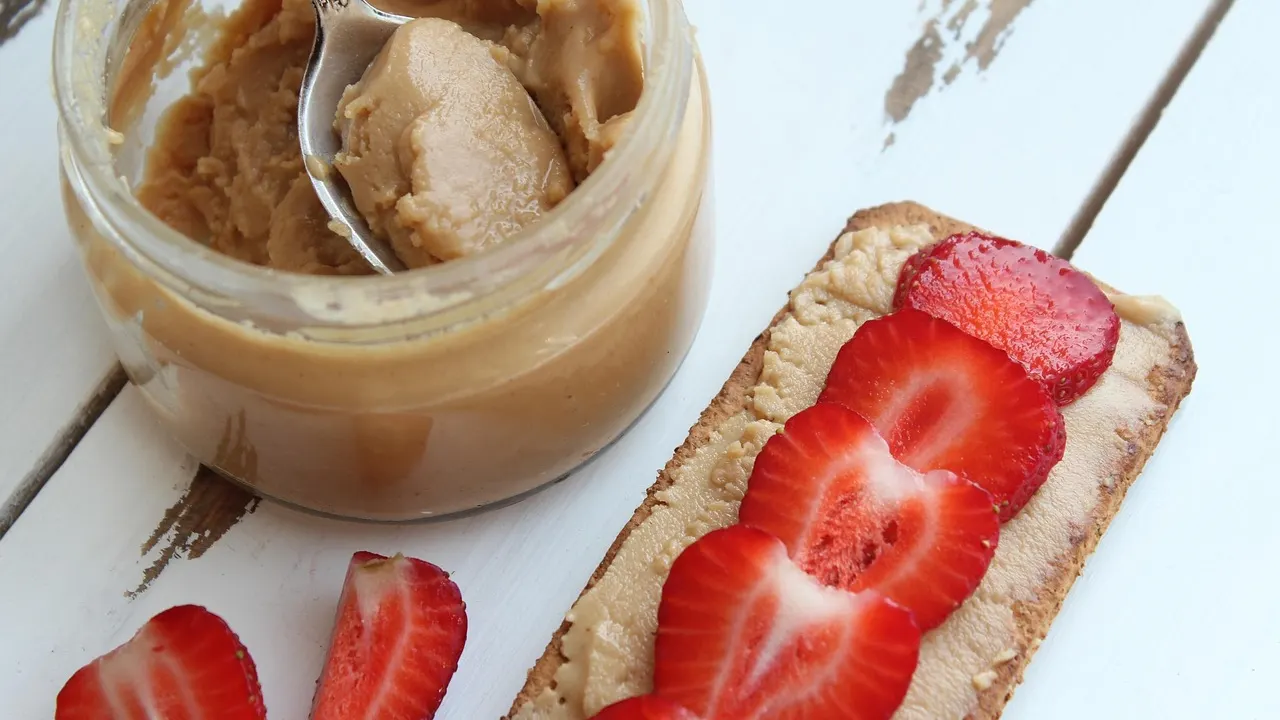
- how many calories are in a tablespoon of peanut butterHow many calories are in a tablespoon of peanut butter?A level tablespoon of peanut butter is about ≈96 calories; the FDA's own serving size is 2 tablespoons (32g), about ≈191 calories, USDA data shows.
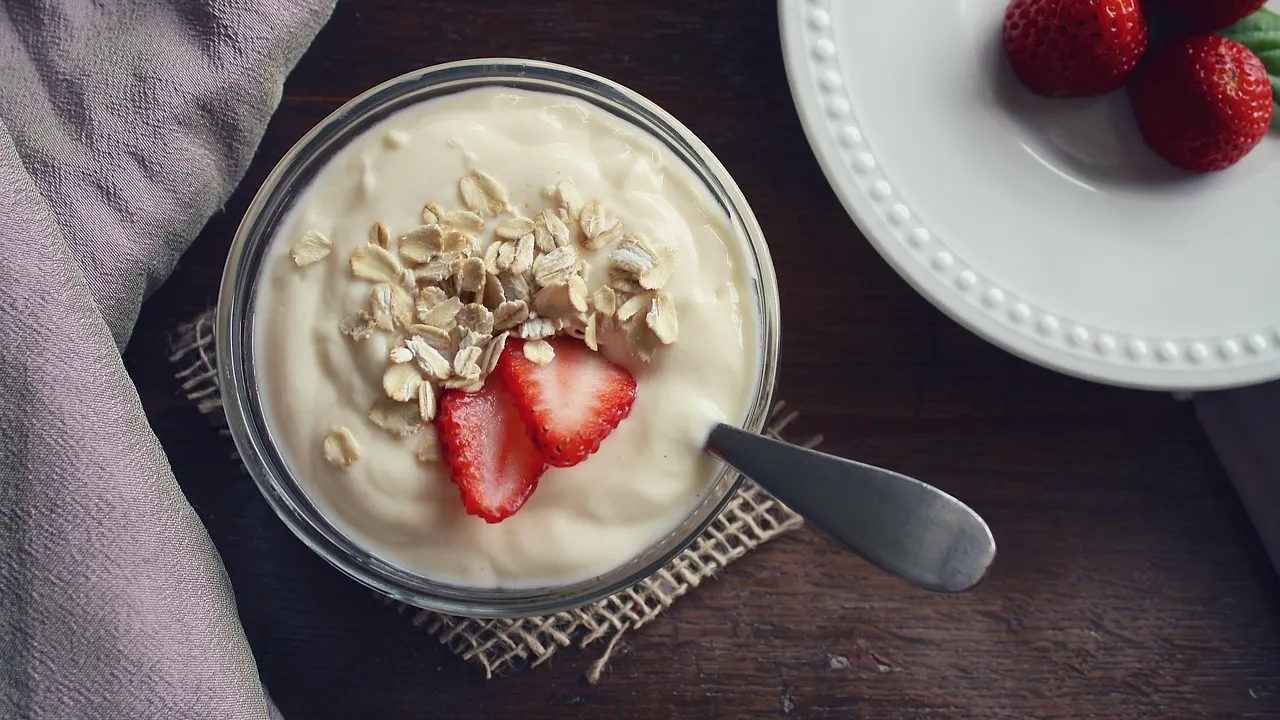
- how many calories in a cup of greek yogurtHow many calories in a cup of Greek yogurt?Plain Greek yogurt runs about 59 (nonfat) to 97 (whole milk) calories per 100g, USDA data shows. Unlike regular yogurt, it has no single USDA cup weight.
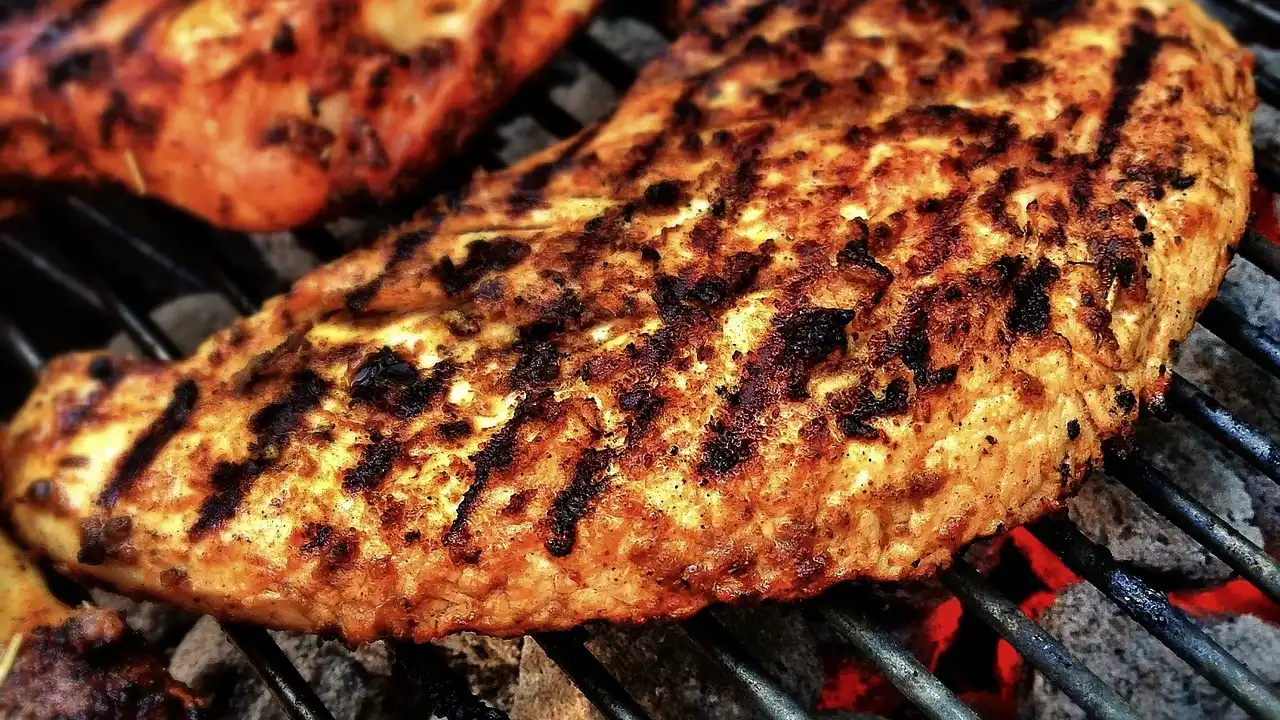
- how many calories are in chicken breast raw vs cookedHow many calories are in chicken breast, raw vs cooked?Raw chicken breast is about 120 calories per 100 g; cooked (roasted) it is about 165, because cooking drives out water, not energy.
- how much protein do you really needHow much protein do you really need?The RDA of 0.8g/kg is a floor against deficiency, not a target. Studies on muscle and strength point to about 1.4–2.0g/kg for most people who train.
- how many calories are in common foods per 100 gramsCalories in 40 common foods per 100 g, rankedWe ranked 40 common foods by calories per 100 g with USDA data. The spread is about 60-fold, and water content explains most of it. Free CSV included.
- do carbs at night make you fatDo carbs at night make you fat?A small six-month trial found carbs at dinner changed fat loss and hunger hormones, but it had real limits. Total calories matter more than the clock.
- is fruit sugar as bad as candy sugarIs the sugar in fruit as bad as the sugar in candy?Your body handles the sugars the same way, but an apple and a candy bar are very different packages. Fibre, fullness and the added-sugar limit explain why.
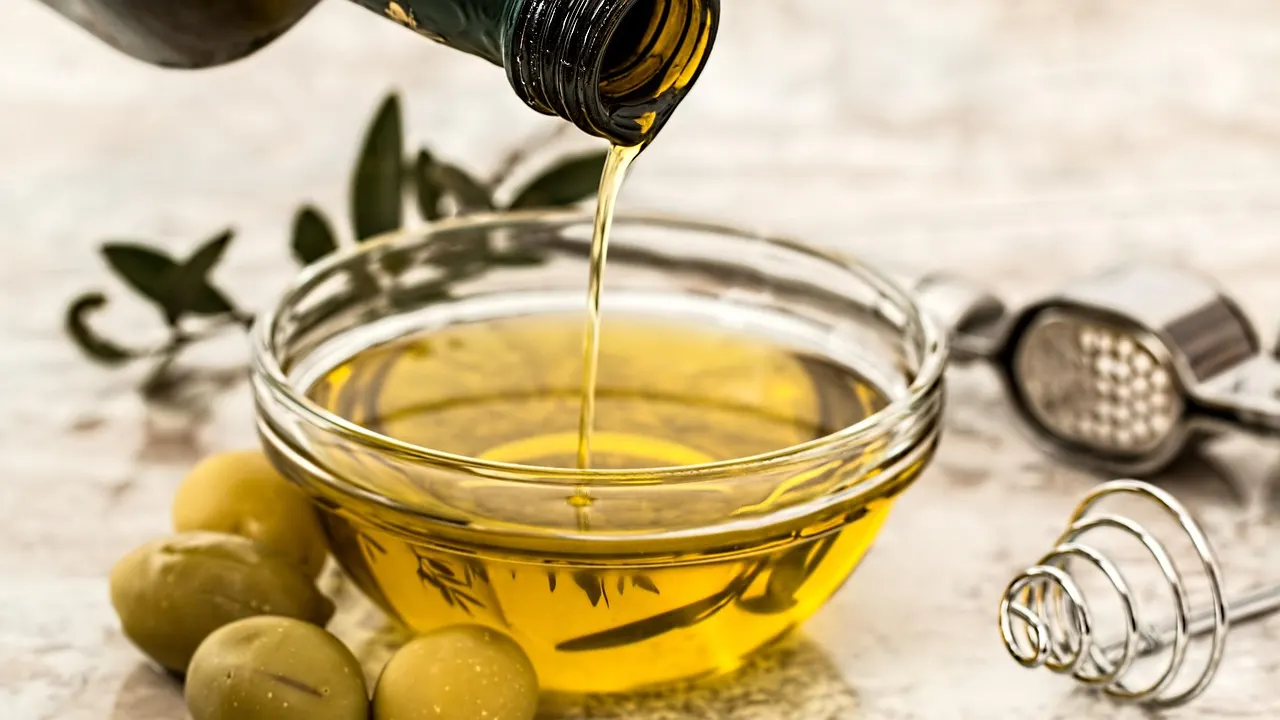
- how many calories are in a tablespoon of olive oilHow many calories are in a tablespoon of olive oil?One tablespoon of olive oil is about 119 calories, a teaspoon about 40, and two quick glugs in a pan about 240. Here is how to measure oil without guessing.
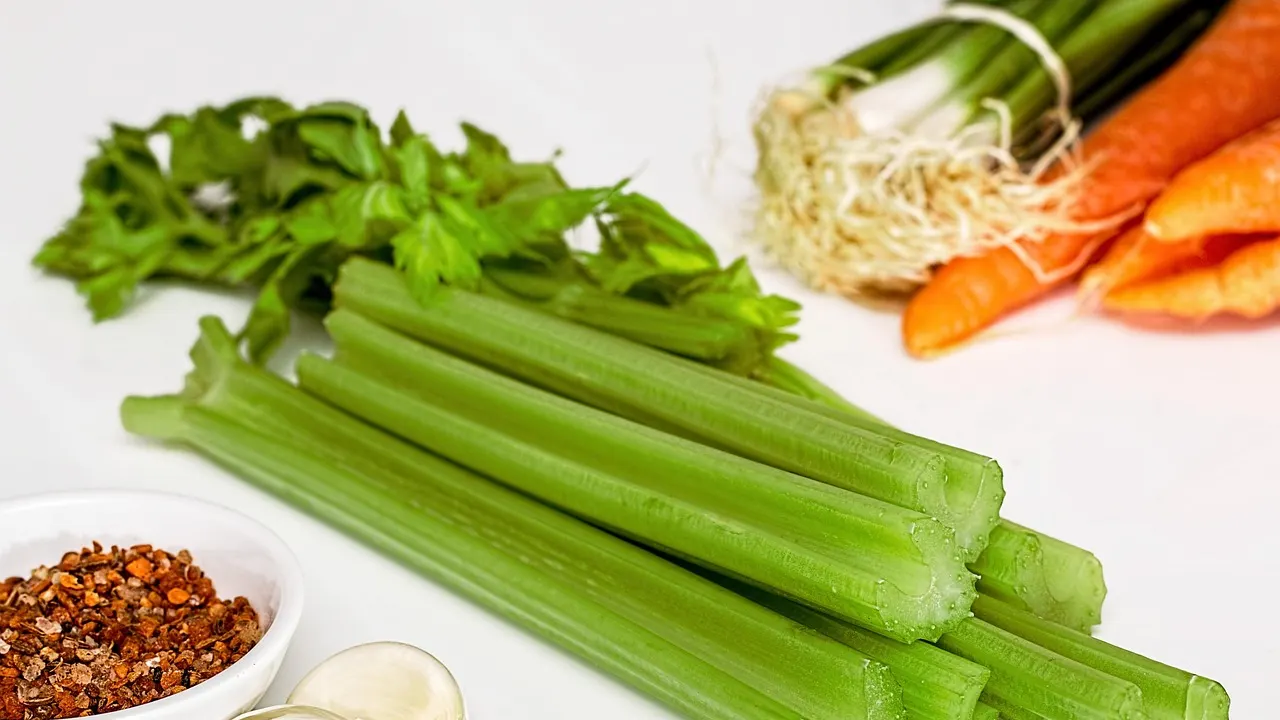
- does celery have negative caloriesDoes celery have negative calories?No. A medium celery stalk has about 6 calories and digesting it uses a small fraction of that, so the net stays above zero. Celery is low-calorie, not negative.
- does eating fat make you fatDoes eating fat make you fat?Fat has more than twice the calories per gram of carbs or protein, so it is easy to overeat. But weight gain comes from extra calories, not from fat itself.