Guides · Topics
Nutrition myths, checked against the research
Carbs at night, sweating off fat, muscle turning into fat: some beliefs about food and training are everywhere, and most don't hold up. Each guide here takes one myth, looks at what the studies actually found, and tells you what to do instead.
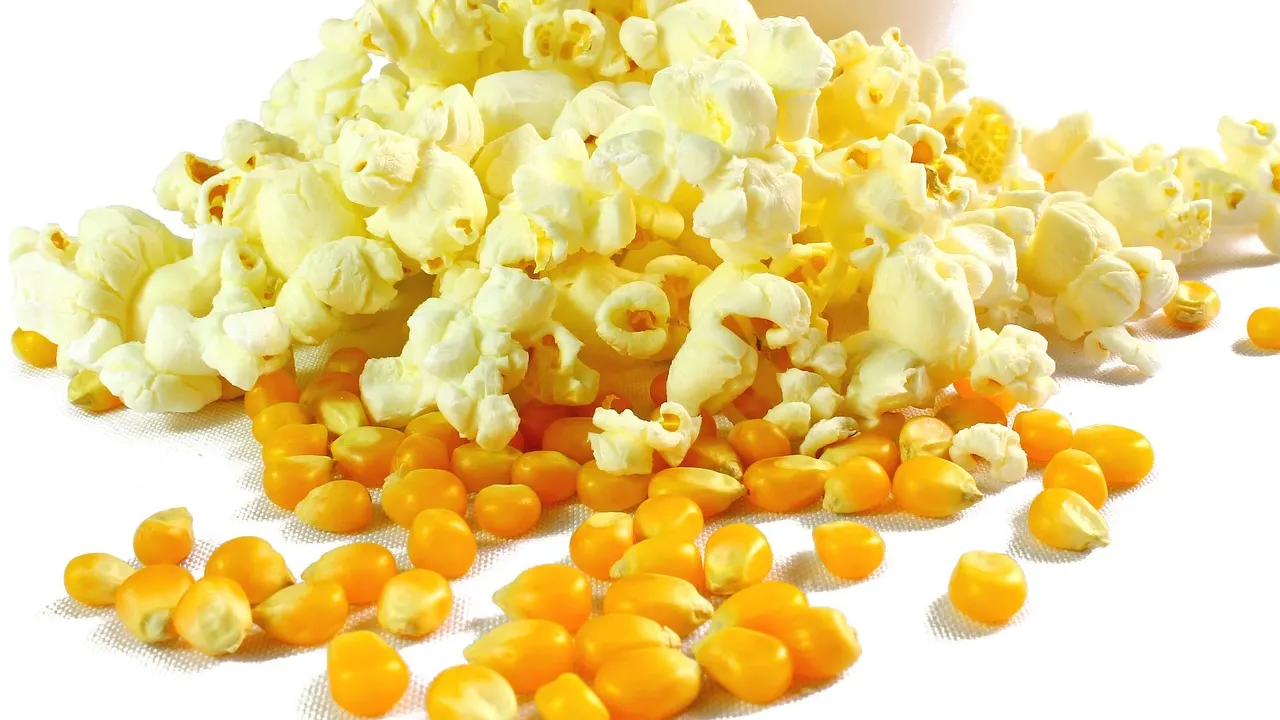
- popcorn vs chips which has fewer caloriesPopcorn vs chips: which has fewer calories?Air-popped popcorn runs about ≈387 calories per 100g, versus ≈532 for potato chips — but a same-size bowl makes the gap far bigger than it looks.
- how accurate are the calories listed on your foodHow accurate are the calories listed on your food?Food labels, apps, databases and menus all estimate calories differently. Studies show menu items can run over 100 calories off, self-reports miss by ≈47%.
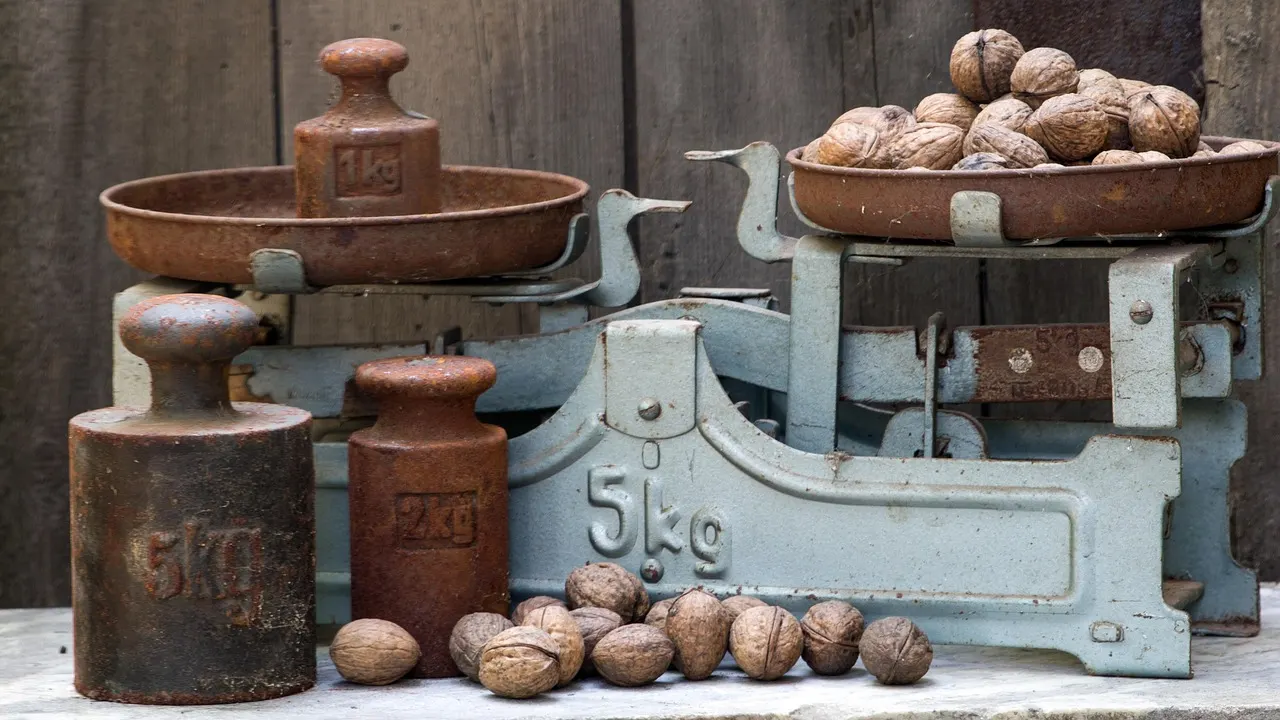
- how are calories in food calculatedHow are the calories in food actually calculated?Food labels use the Atwater rule: about 4 calories per gram for protein and carbs, 9 for fat. The total is then rounded, with up to 20% legal error.
- how much protein do you really needHow much protein do you really need?The RDA of 0.8g/kg is a floor against deficiency, not a target. Studies on muscle and strength point to about 1.4–2.0g/kg for most people who train.
- does muscle turn into fat when you stop liftingDoes muscle turn into fat when you stop lifting?No. Muscle and fat are separate tissues that cannot convert into each other. Muscle shrinks from disuse, and fat can grow if you keep eating the same.
- do carbs at night make you fatDo carbs at night make you fat?A small six-month trial found carbs at dinner changed fat loss and hunger hormones, but it had real limits. Total calories matter more than the clock.
- is fruit sugar as bad as candy sugarIs the sugar in fruit as bad as the sugar in candy?Your body handles the sugars the same way, but an apple and a candy bar are very different packages. Fibre, fullness and the added-sugar limit explain why.
- do you need 8 glasses of water a dayDo you need 8 glasses of water a day?The 8-glasses rule is not in the official guidance. The US National Academies give total water targets that include food and every drink.
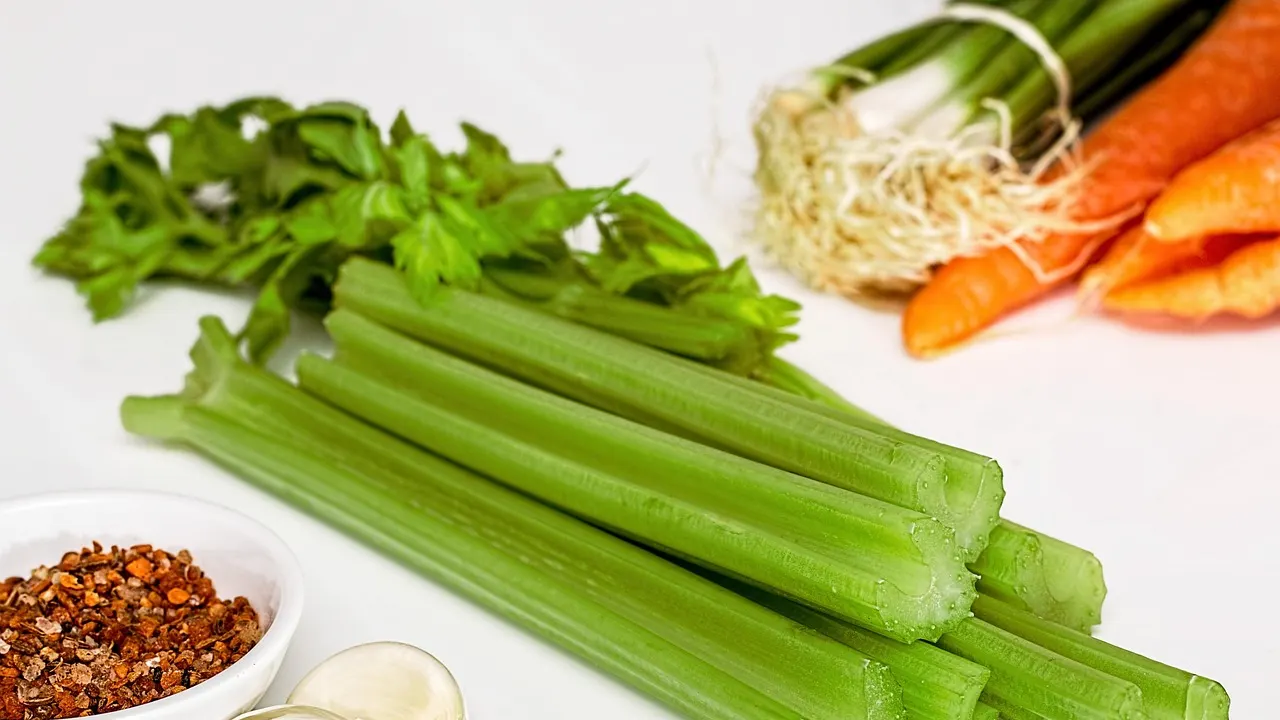
- does celery have negative caloriesDoes celery have negative calories?No. A medium celery stalk has about 6 calories and digesting it uses a small fraction of that, so the net stays above zero. Celery is low-calorie, not negative.
- does eating fat make you fatDoes eating fat make you fat?Fat has more than twice the calories per gram of carbs or protein, so it is easy to overeat. But weight gain comes from extra calories, not from fat itself.
- does skipping breakfast make you gain weightDoes skipping breakfast make you gain weight?Thirteen randomised trials found no weight-loss benefit from eating breakfast, and breakfast eaters weighed slightly more. What that means, and what it doesn't.
- does thinking hard burn caloriesDoes thinking hard burn calories?Your brain uses about a fifth of your resting energy, but extra mental effort adds very little: a day of hard thinking is worth one or two small snacks.